Introduction
Welcome to the world of pet families—a realm where love knows no bounds, but the air can definitely use some help. If you share your home with furry companions, you’ve probably considered the role of air purifiers in keeping your environment fresh. However, it’s time to debunk the myth that ordinary air purifiers can save the day. Let’s dig into three fundamental truths about why standard purifiers fall short for homes with pets. From their core design to the specifics of managing fur and allergens, understanding these truths is crucial for a truly clean and healthy home environment.
Aerodynamics & Structural Design: Foundation of Hair Interception
Image courtesy: Unsplash
When it comes to pet air purifiers, many people might not realize that the core design isn’t just a simple matter of throwing in a few filters and calling it a day. Instead, it involves intricate aerodynamics and structural design dedicated to efficiently intercepting pet hair, which is the bane of many pet families. Let’s dive into the specifics to see how some new design principles are making purifiers much more effective in pet households.
Airflow System Optimization Principles
Air purifiers with pet families in mind are innovating their air circulation methods. The cutting-edge designs now boast a 3D Circulation Structure, characterized by a 360° radial intake and vertical outflow. This design significantly minimizes dead zones in your room, meaning that there’s increased spatial coverage—about 35% more compared to traditional systems!
Moreover, these purifiers place their air-intake grilles with gaps of 10mm or more. So, they are less prone to clogging compared to typical models, which often have 5-7mm gaps increasing clogging risk by 70%. They also optimize for where pet hair tends to linger: near the ground. That’s why these units have Ground-Proximity Intake, positioned about 10 to 20 cm above the floor, efficiently capturing those pesky ground-level pollutants.
Furthermore, a little physics goes a long way. With Negative-Pressure Enhancement using high-speed brushless DC motors > 2000 RPM, these purifiers create zones of negative pressure, improving hair capture efficiency by an impressive 90%.
Propulsion System Technology
To support these aerial antics, propulsion technology within air purifiers is evolving. The use of a Dual-Turbo Boost employs a parallel fan configuration, which allows the purifier to adjust to larger spaces effortlessly. Parallel fan configuration linearly scales CADR (Clean Air Delivery Rate), adapting to spaces ≥50m² with airflow >8000L/min.
Additionally, they contain Backflow Prevention methods using shark-fin vortex generators on duct walls, reducing turbulence that could otherwise cause hair resuspension—a clever way to keep that pesky pet hair from sneaking back into the air you’ve just purified.
Multi-Stage Filtration System
When it comes to handling the more invisible culprits in the air like bacteria and dander, a well-designed multi-stage filtration system is essential. These aren’t just your run-of-the-mill filters; they are technology powerhouses capturing everything from hair to pathogens.
Filter Layer Technology Matrix
The filter systems in specialized pet air purifiers use a range of technologies to ensure clean air:
| Technology Type | Core Mechanism | Key Parameters | Innovation Direction |
| Electrostatic Pre-filter | 12kV field polarizes hair | Interception rate >99%, resistance ≤5Pa | Self-cleaning electrodes (lab phase) |
| HEPA-Antimicrobial Composite | H13 glass fiber + nano-silver coating | Sterilization rate 99.99% (S. aureus/M. canis) | Moisture resistance (efficiency unchanged at RH80%) |
| Photocatalytic Deodorization | TiO₂ + 265nm UV-C → decomposes NH₃/H₂S | Ammonia decomposition >95%/hour | Graphene substrate triples catalytic area |
| Controlled Ozone Output | High-voltage ionization (≤0.05ppm) | Instant odor neutralization, auto-off in 30min | IR sensor linkage (activates when no pets detected) |
| Atomized Fragrance Module | Piezoelectric ultrasonic atomization (1-5μm particles) | Fragrance diffusion uniformity >90% | Magnetically-sealed essential oil capsule (pet-proof) |
– Electrostatic Pre-filter: This layer uses a 12kV field to polarize hair, boasting an interception rate of over 99%, with minimal resistance. Scientists are even developing self-cleaning electrodes to simplify maintenance.
– HEPA-Antimicrobial Composite: This layer employs a combination of H13 glass fiber with nano-silver coatings to sterilize common bacteria like S. aureus and M. canis at a rate of 99.99%. Plus, this tech resists moisture, so its efficiency isn’t compromised in high-humidity environments.
– Photocatalytic Deodorization: With titanium dioxide (TiO₂) and UV-C light, this filter decomposes odors such as ammonia, achieving more than 95% ammonia decomposition per hour. Its graphene substrate significantly increases the catalytic area, effectively facilitating this process.
– Controlled Ozone Output: While a bit controversial, ozone can instantly neutralize odors when controlled correctly. This system uses high-voltage ionization with an output not surpassing 0.05ppm and is intelligent enough to switch off automatically after 30 minutes or when pets are detected.
– Atomized Fragrance Module: This module uses piezoelectric ultrasonic atomization to diffuse pet-friendly essential oils with a uniformity of over 90%, while its design ensures safety with pet-proof, magnetically-sealed essential oil capsules.
Key Integrated Technologies
Air purifiers for pet homes integrate multiple stages of air cleaning:
– 4-Stage Deodorization Path: This involves adsorption with activated carbon, decomposition through photocatalysis, neutralization via ozone reaction, and finally, masking using atomized plant extracts.

– UV Safety Protection: To ensure safety, deep UV-C light (265nm) is securely shielded, limiting leakage to<0.001μW/cm², preventing potential retinal damage.
Such advanced technologies ensure a comprehensive approach, effectively purifying air for pet families, unlike ordinary air purifiers.
In conclusion, a specialized pet air purifier is a finely-tuned device bringing together the magic of aerodynamics, cutting-edge propulsion, and meticulously designed filtration to create a harmonious living environment. No wonder pet families might find standard air purifiers somewhat lackluster in comparison. Embracing these advanced concepts could be the game-changer for maintaining not just “better,” but truly cleaner and healthier air for both you and your beloved pets.
Pathogen Inactivation: From Passive Filtration to Active Sterilization
In the battle against pathogens, ordinary air purifiers rely largely on passive filtration. This might be enough for homes without pets, but for households with furry friends, it’s not so simple. Pet homes encounter a complex cocktail of dander, fur, and microorganisms that traditional filters struggle to manage. This section dives into the advanced pathogen inactivation methods pet air purifiers use to keep your home genuinely clean.
Composite Sterilization Mechanism
Ordinary air purifiers often employ passive filters such as HEPA filters to trap airborne particles. But when it comes to killing pathogens, more is needed. Pet air purifiers incorporate a composite sterilization mechanism for active destruction of harmful microorganisms.
– UV-C DNA Destruction: UV-C light between 254-280nm disrupts the DNA of microbes, killing > 99.99% of pathogens. This high-efficiency process follows the ISO 15858 standard, ensuring your air is virtually germ-free.
– Plasma Cluster Oxidation: Releasing reactive oxygen ions, this technology penetrates and destroys pathogen cell membranes. Compared to conventional methods, this significantly enhances the effectiveness of air purification, offering pet homes an unrivaled level of defense.
Safety Redundancy Design
Protecting your home is key, but ensuring safe operation for all inhabitants—especially the furry ones—is just as important. That’s where safety redundancy design comes in.
– Ozone Concentration Control: Ozone is a known powerful deodorizer, but high levels can be dangerous. Electrochemical sensors monitor ozone levels, automatically shutting down the system if concentrations >0.05ppm as defined by EN 60335-2-65. This ensures that your air remains fresh and safe.
By moving from passive filtration to active sterilization, pet-specific air purifiers effectively combat the unique challenges presented by pet households, maintaining a healthier living environment.
IV. Silent Operation & Pet-Friendly Engineering
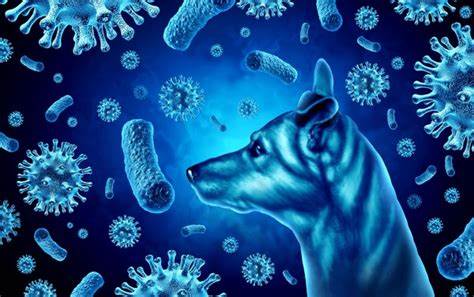
Keeping your home clean and safe is crucial, but comfort can’t be overlooked. Ordinary air purifiers can often be noisy, causing stress for your pets, which is no good for harmonious living. The solution? Silent operation and designs that prioritize pet well-being.
Acoustic Optimization Triad
Say goodbye to the constant hum and embrace peace with the acoustic optimizations used in pet air purifiers:
– Rotor Dynamic Balancing: By keeping rotor eccentricity ≤0.1mm, mechanical vibration noise is minimized, making it almost imperceptible in daily use.
– Micro-Perforated Foam: This technology absorbs high-frequency sound waves with an 80-100PPI density, reducing noise levels to a whisper-quiet ≤28dB(A) in sleep mode.
– Variable-Frequency Control: Sudden changes in fan speed can be alarming to pets. This feature adjusts power smoothly based on particulate matter levels, keeping the environment calm and reducing anxiety in pets.
Physical Safety Design
Pet safety in homes is non-negotiable. Air purifiers designed around pets include features to safeguard their well-being:
– Anti-Paw-Trap Structure: The outlet grill features gaps of at least 1.2cm wide, larger than the average feline paw width of 0.8cm, preventing curious paws from getting stuck.
– Detachable Power Unit: Similarly, the power unit is made pet-proof. It’s wirelessly designed with IPX4 waterproofing and rated to auto-release if a force greater than 50N is applied, for example, during a gnawing session by a determined pet.
Through engineering techniques that reduce noise and facilitate safety, these air purifiers create a relaxing, hazard-free oasis for pets and humans alike.
Smart Control & Ecosystem Integration
When it comes to air purification for pet families, having an air purifier that works just like a typical one is simply not enough. Enter smart control and ecosystem integration, which take pet-friendly air purifiers to a whole new level. These advanced systems use innovative technologies and intelligent features that make managing your air quality simple and effective, ensuring that your pet-friendly home remains healthy and inviting.
APP Control Logic
One of the most fascinating aspects of modern air purifiers designed for pet owners is the integration of app control logic. With the help of a smartphone app, you can easily monitor and manage the air quality in your home, making adjustments that reflect your family’s needs in real time. The tech behind this involves multi-sensor fusion systems, which combine inputs from PM2.5 laser sensors, VOC electrochemical sensors, and even IR detectors that assess pet activity.
| Mode | Trigger Condition | Action |
| Turbo Hair Removal | Pet running + PM10 spike | Max fan speed, fragrance pause |
| Sleep Guard | Ambient light <10lux + noise <30dB | Reduce UV power, low-concentration fragrance |
| Away Purification | Phone geofencing >500m | Activate ozone deodorization |
Imagine this: if your pet decides to have a zoomie session, kicking up dust and fur, the system’s scenario engine triggers an automatic shift to “Turbo Hair Removal” mode. This means maxing out the fan speed to clean up those spikes in PM10 levels while pausing fragrance diffusion to keep the air fresh. Whether you’re in the room or away, the app lets you control modes effortlessly, offering peace of mind by ensuring a constant, invisible guard against pollutants.
Fragrance Safety Protocol
Who doesn’t love a pleasantly scented home? However, it’s critical to ensure that fragrances are safe for your furry friends. The fragrance safety protocol in pet-focused air purifiers locks out any potentially harmful substances, like tea tree or mint oils, which are toxic to pets. This smart precaution is part of a broader commitment to safety, validating that only approved and safe fragrances are used for diffusion. So, while you enjoy a clean-smelling home, your pets remain stress-free and healthy.
Space Adaptation & Form Factor Design
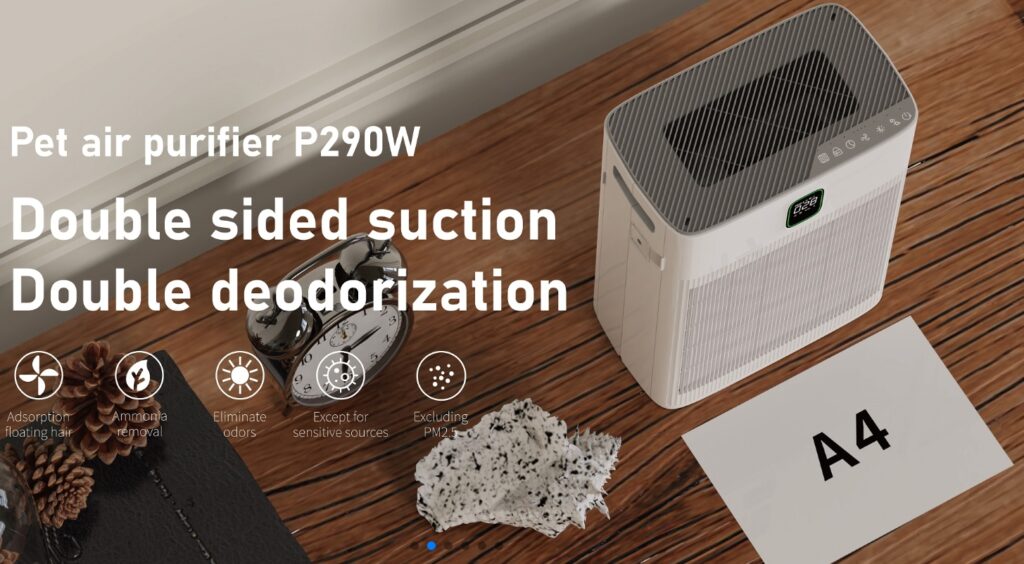
Choosing an air purifier that complements your home’s layout without disrupting the flow can be a game changer. The space adaptation and form factor design in the latest air purifiers consider the intricate balance between performance and lifestyle aesthetics.
Space Adaptation & Form Factor Design
Let’s break down some fundamental concepts of making air purifiers conducive to a pet-friendly home. The size-performance balance model dictates the purifier’s capabilities in relation to the space it is intended to serve. For smaller areas, compact units are the way to go, as they handle up to 20m² efficiently. Their slim bodies ensure they fit seamlessly into a room, preventing any disruptions.
Meanwhile, if you have a larger space or multiple pets, a large unit is ideal. These units often feature wheels for easy mobility and are robust enough to cover areas 50m² and above. Their powerful dual fans and tower structures are designed to handle the increased air volume, ensuring thorough purification.
| Device Class | Coverage Area | Size Constraint | Technical Configuration |
|---|---|---|---|
| Compact Unit | ≤20m² | Thickness ≤15cm | Centrifugal turbo fan (diameter ≤80mm) |
| Large Unit | ≥50m² | Wheeled mobility | Dual fans + tower structure |
Form-Function Integration
Form-function integration is at the heart of efficient purifier design. Many modern purifiers now feature a cylindrical body rather than the traditional square units, which cuts down on spacing issues by requiring less clearance from walls. This design choice not only maximizes airflow but also minimizes the chance of your pets colliding with the unit, which is a win-win.
Furthermore, the slim profile option allows for wall-mountable or recessed installation, ensuring that your purifier blends into your lifestyle instead of becoming an obstacle. The technical choices in these designs aren’t just about looks; they ensure that your home remains pet-friendly while meeting high performance standards.
Pet-friendly air purifiers exemplify a thoughtful blend of cutting-edge technology and care. From smart control and integration that lets you manage your air quality with ease, to designs that adapt to your living space without causing any unnecessary fuss, these considerations make all the difference. In a pet home, where fur and dander come with the territory, having a purpose-built air purifier ensures that everyone—furry family members included—breathes clean, safe air.
Technical Selection Framework: Quantitative Validation
 Image courtesy: Unsplash
Understanding why standard air purifiers can’t cut it in pet homes requires digging into some geeky but crucial details. Let’s dive into how quantitative validation not only guides but grounds the development of pet-specific air purifiers.
Performance Formulas
Min CADR: Room Area (m²) × Ceiling Height (m) × 5 (multiply by 1.3 for multi-pet households).
First off, the performance of air purifiers is often judged by Clean Air Delivery Rate (CADR). If you’re a pet family, it’s not just about having any CADR; you need to consider a few extra calculations.
For any room, the minimum recommended CADR can be determined by multiplying the room area by the ceiling height and then by five. If your household is bustling with multiple furry friends, it’s wise to adjust this number by multiplying it by 1.3 to maintain optimal air quality.
On top of that, rigorous hair interception tests provide vital assurance—with a benchmark of intercepting over 99% of pet hair in sealed chamber conditions, based on the ISO 16890 standard. This ensures you’re not left vacuuming the ceiling for stray fur!
Safety Thresholds
| Parameter | Standard | Threshold |
|---|---|---|
| Ozone Leakage | EN 60335-2-65 | <0.05ppm |
| Peak Noise | ANSI S12.60 | ≤28dB(A) |
Safety is not just a checkbox on a list but an ongoing commitment, especially when we talk about air purifiers dealing with sometimes potent technologies like ozone for odor control. According to established safety standards like EN 60335-2-65, ozone leakage must be less than 0.05 ppm to ensure it poses no risk to pets or humans. Then there’s the noise factor—pets can be sensitive to sound, so keeping noise levels within the ANSI S12.60 standard of no more than 28 dB(A) in sleep mode is crucial. It’s about making sure your home doesn’t turn into a stress zone with whining filters or buzzing fans competing with your peaceful evenings.
Technology Evolution
Pet air purifiers are where tech evolution meets practical necessity. Innovations such as self-cleaning electrostatic filters extend their lifespan, up to six months, before needing any replacement. This feature effectively reduces the inconvenience and cost of frequent filter changes. Moreover, integrating AI predictive modes is a real game changer. By forecasting your pet’s activity, these systems can kick into turbo boost before Fluffy’s mad dash around the living room fills the air—or your neighbor’s barking triggers some smelly reactions. Imagine the air purifier activating just 10 minutes ahead of chaos purely based on predictive patterns.
These technical upgrades and safety measures are not just bells and whistles. They are part of a dedicated effort to ensure the air quality in pet homes meets the unique demands of furry family members while making life easier and cleaner for their humans. After all, it’s all about living in harmony with our beloved pets without compromising on the air we breathe! 🐾
Conclusion
In the world of air purification, the needs of pet families are unique, requiring much more than what an ordinary air purifier can offer. With an intricate design focusing on multiple technological layers, pet air purifiers address challenges like hair interception, odor decomposition, and pathogen inactivation with remarkable efficiency. The optimized aerodynamics and multi-stage filtration systems ensure thorough cleaning, specifically targeting pollutants that arise from our furry friends. Additionally, smart features like app controls and scenario engines ensure seamless operation tailored to your home’s specific conditions.
So, if you’re a pet parent, investing in a pet air purifier isn’t just a fancy add-on—it’s a necessity for cleaner air, healthier living spaces, and a happier coexistence with your beloved pets.
Ready to Transform Your Pet’s Air Quality?
Explore our cutting-edge pet air purifiers engineered with H13 HEPA filtration, UV-C sterilization, and smart odor control. Visit www.astuteinno.com to discover how our technology tackles pet hair, allergens, and pathogens—or contact us today for a personalized consultation!”